Strictly speaking, we don't have "AI", but tools that compile natural language to a result. I prefer open-weight, open-source, and low-cost models with customized and self-defined workflows.
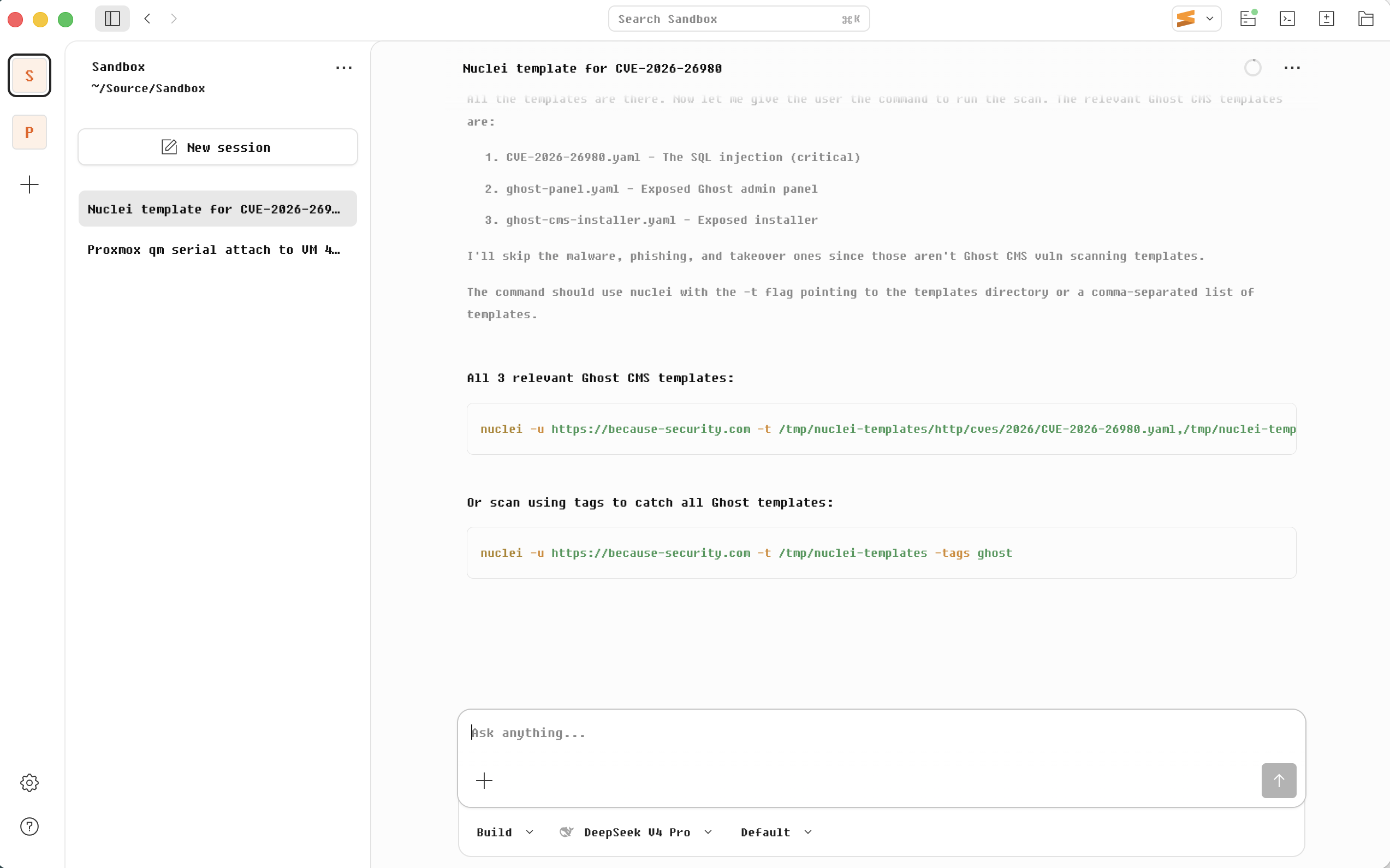
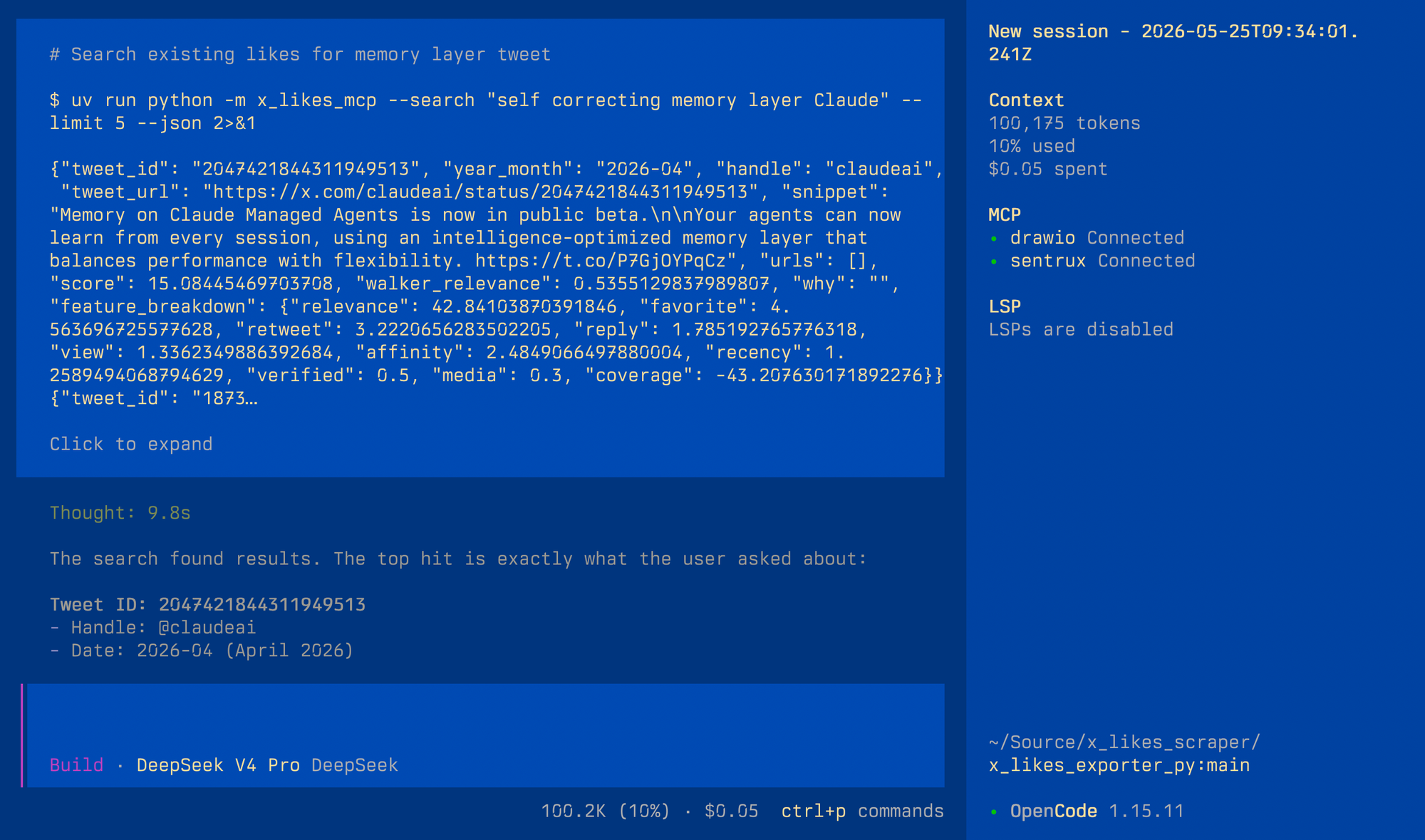
As powerful as Codex or Claude Desktop, 40x cheaper. MCP and Skills support. Customizable.Coding, admin, and general knowledge tasks can be supported with OpenCode
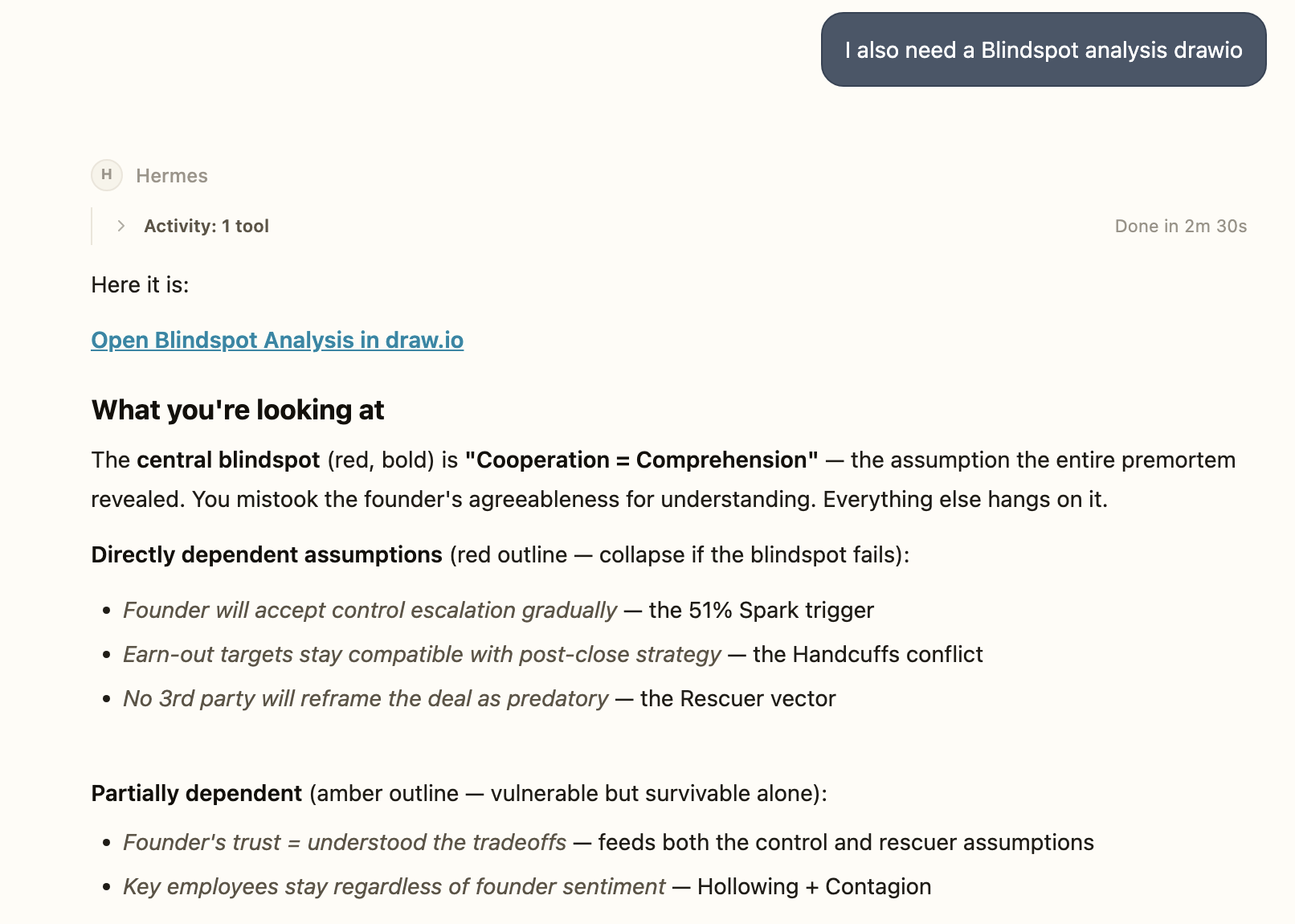
Hermes Web is a feature-rich Web UI. The self-learning lends itself well to ad hoc jobs, dashboarding with PyCafe or mindset / decision intelligence tasks.
Self-hosting
🌪️
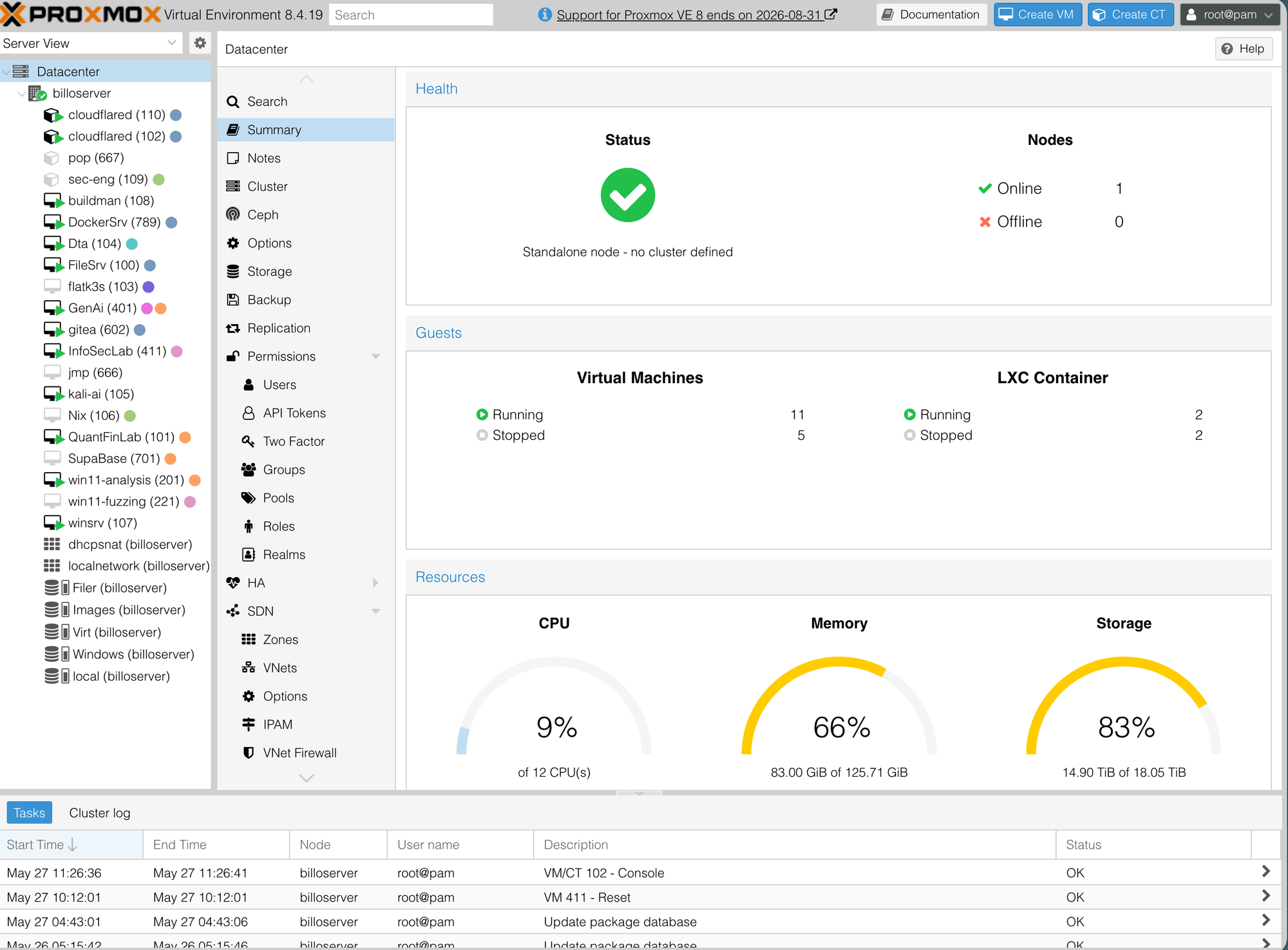
Self-hosting is a matter of experience. Goog level systems for the masses need to run on Kube, but for SMBs or growing systems, simple solutions can be better.
140x the compression of Elastic, 140x less the price of Splunk. SQL support. API support.
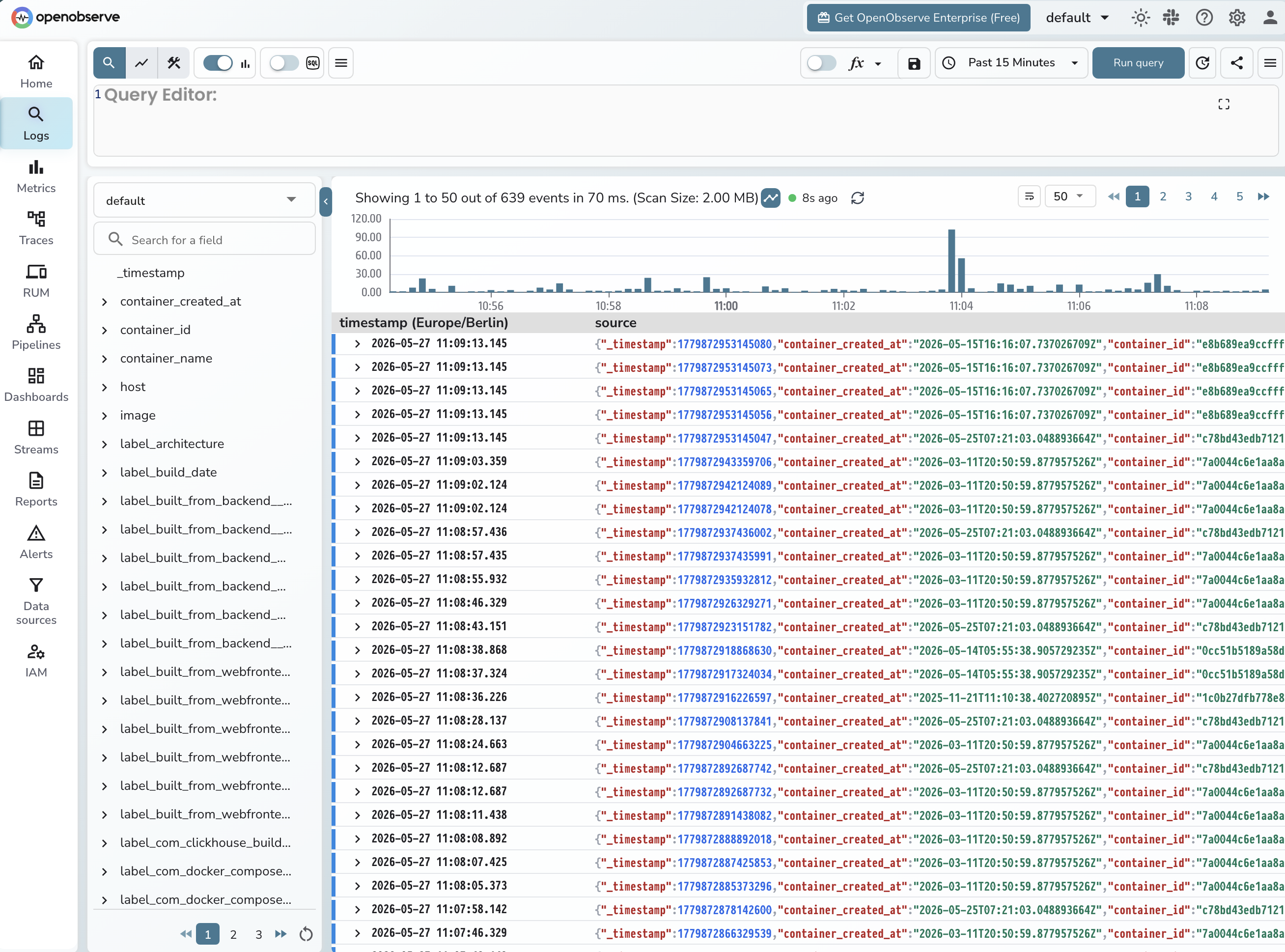
OpenObserve is a full Metrics, Events, Logs and Traces (MELT) stack. It has great Docker support, an API and it works very well with Vector or OpenTelemetry
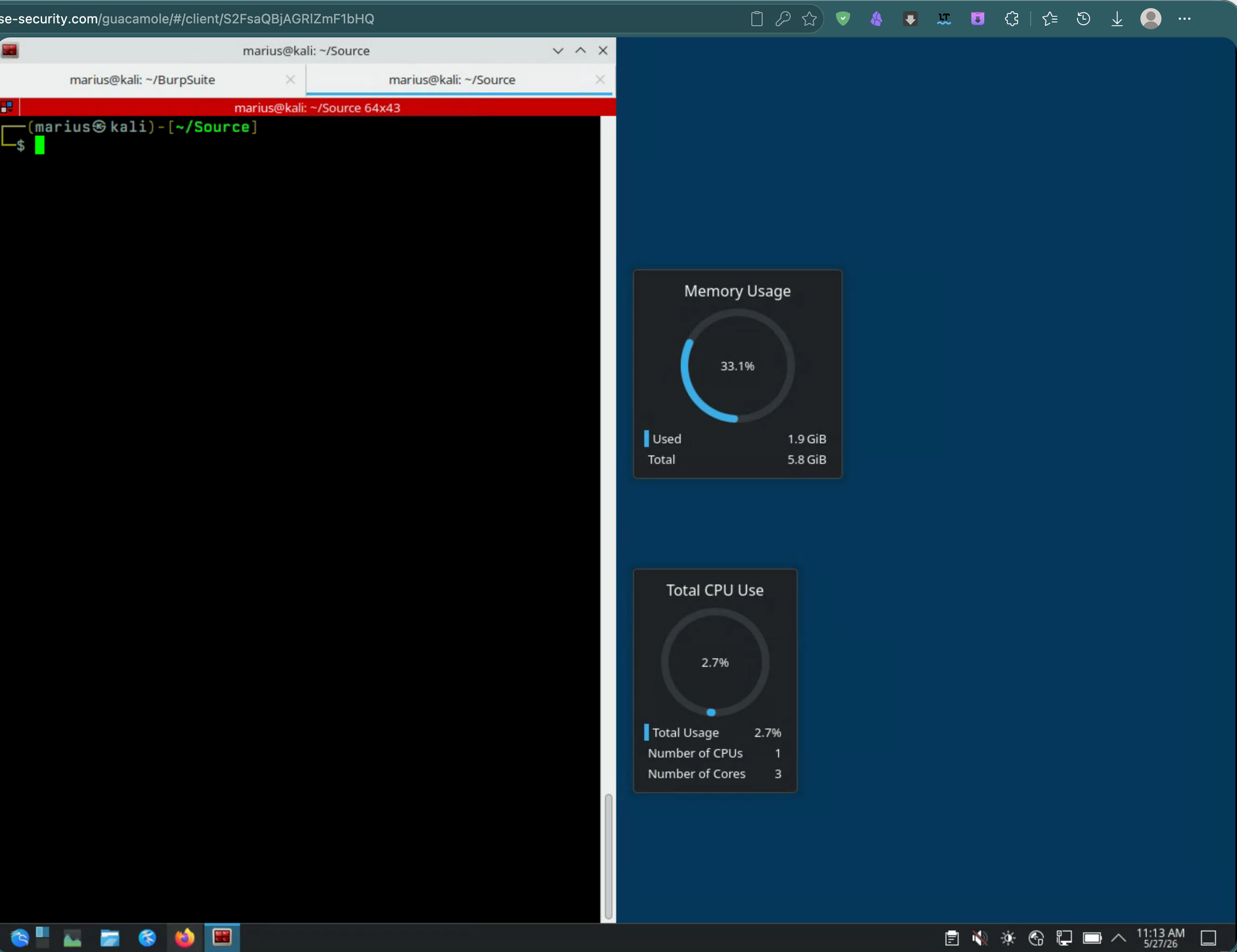
Kali Linux in a browser via the Apache Guacamole RDP web gateway (Xrdp)
Apache Guacamole is a remote-work gateway with many features, including optimized RDP rendering. Xrdp is a code reading friendly RDP server (with options for glyphs and optimized font rendering). The combination works well for Linux.
Example: Kali Linux (KDE) with Burp Suite for a web app pentest.
Development
💶
I dislike the trend of treating developers as consumers. Serverless, proprietary developer SaaS products, they are all the same. I promote self-sustained, end-to-end owned workflows.
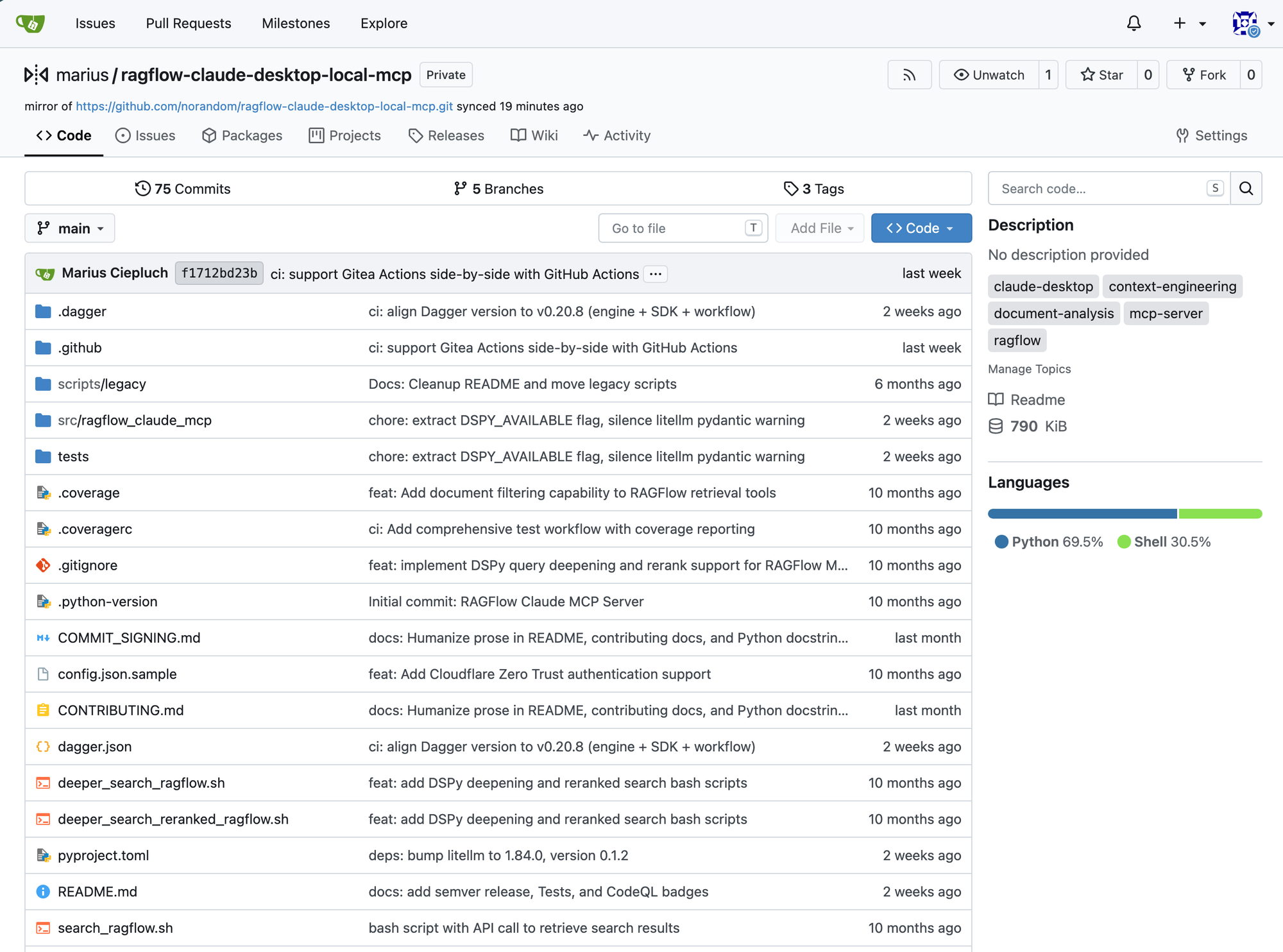
Gitea also has Gitea Actions as a pendant to GitHub Actions. I use Dagger to get the best value out of both worlds. GitHub-hosted runners for builders (Windows and macOS especially) are super cheap.
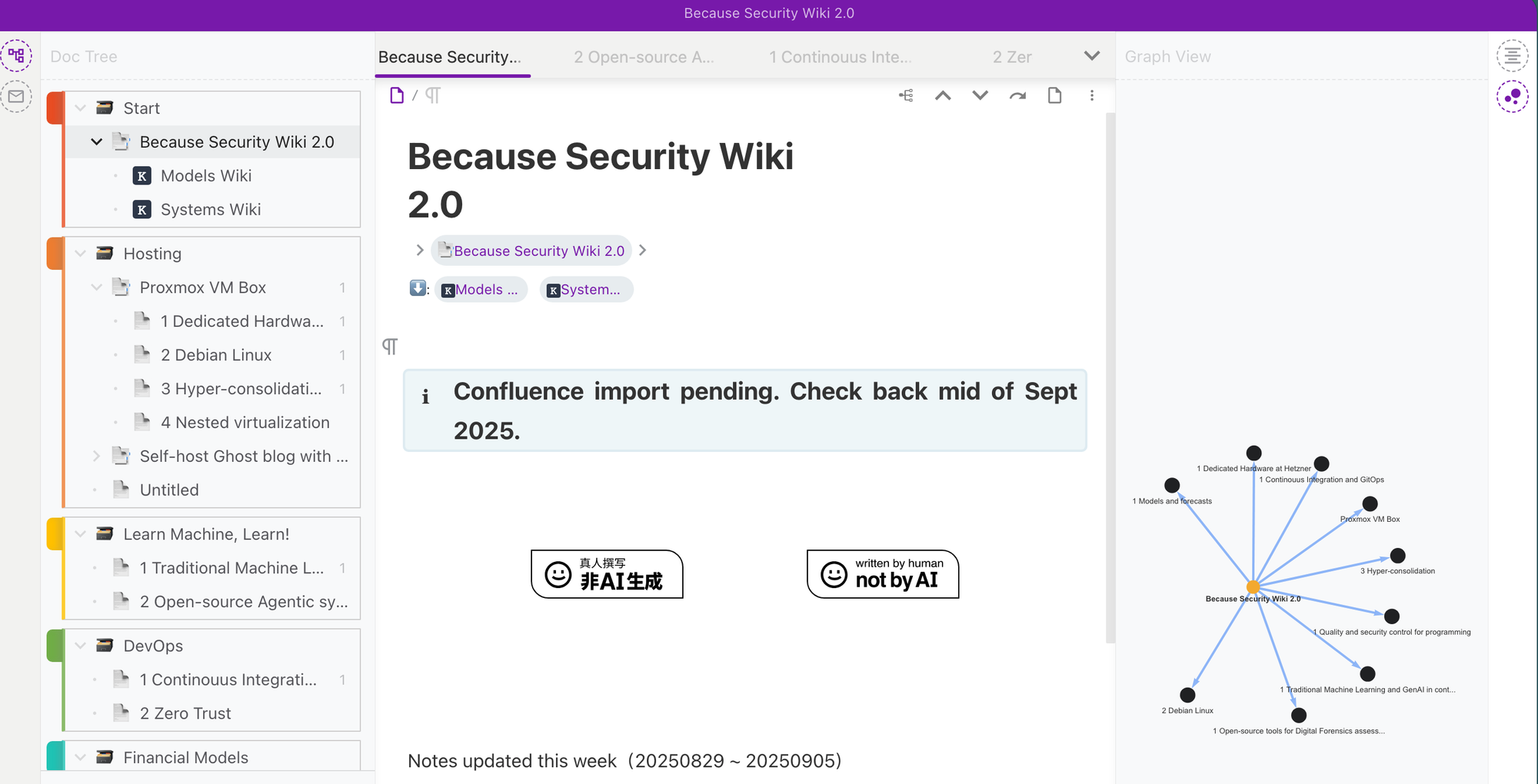
SiYuan is a powerful Wiki. It can be hosted in Docker, and serve a read-only and editor endpoint separately. There is an API, tag support. graph, Markdown, global search, hierarchical notes... all you know from Obsidian Notes. Ready for the WWW
I am working on an LLM Wiki as a global agentic knowledge / memory layer, using the SiYuan API. It can be browsed by humans and agents alike. Then my old Confluence content can be imported automatically.
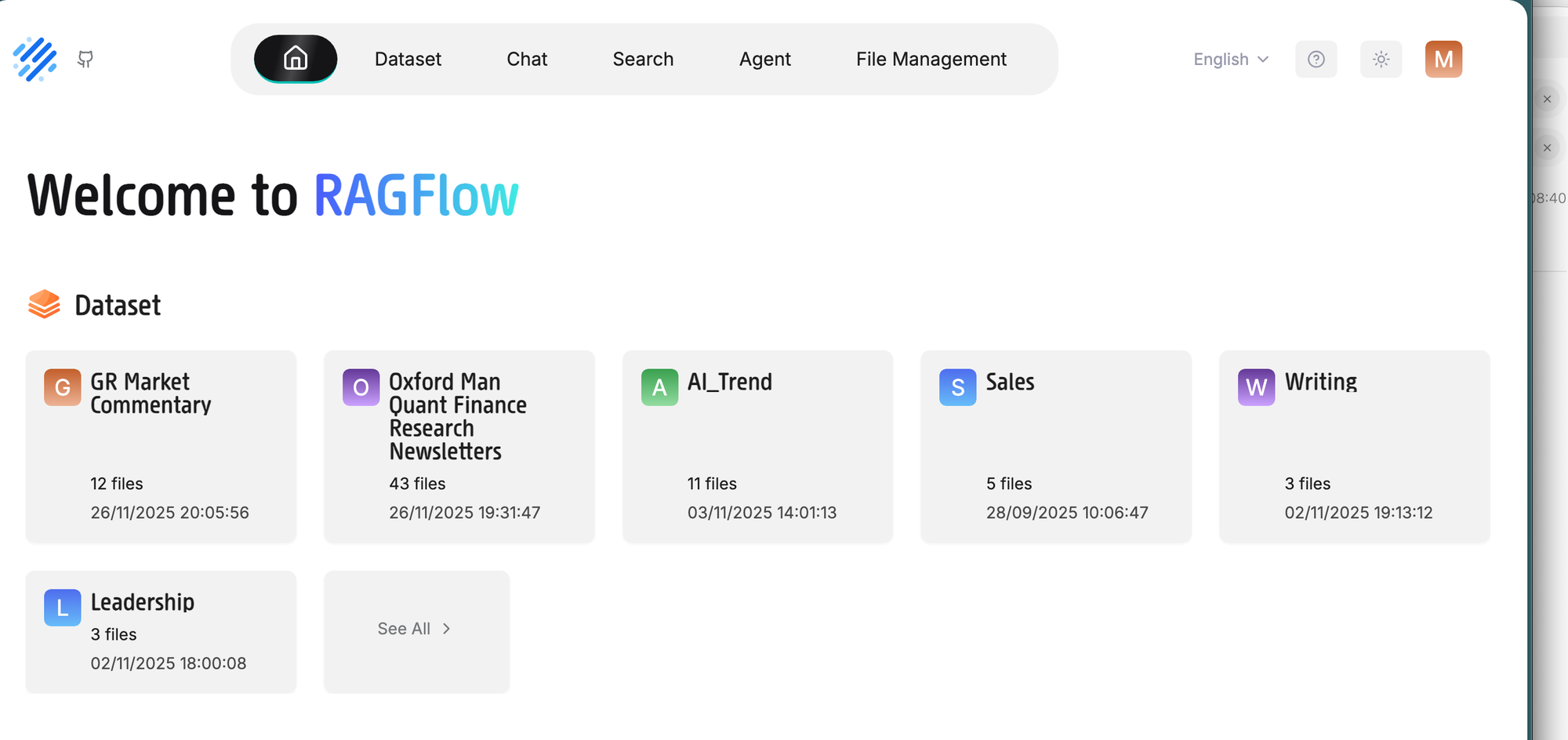
RAGflow uses local models to read complex PDFs like market reports with tables or research reports with charts. The actual GPU-heavy embedding process can be supported with providers. You do not need a GPU.
I use RAGflow with my custom MCP server. The workflow is simple: upload PDF, XLSX, DOCX etc. Wait a little. Search the knowledge base (with AI). The display within the Web UI is great for finding literature references.
The hosting itself can be managed with a Docker container inside a Linux VM.



 Marius Ciepluch


 Marius C